
Character dossier
The Deposition Copyist
A public character record: motivation, pressure, choice, and documented historical context.
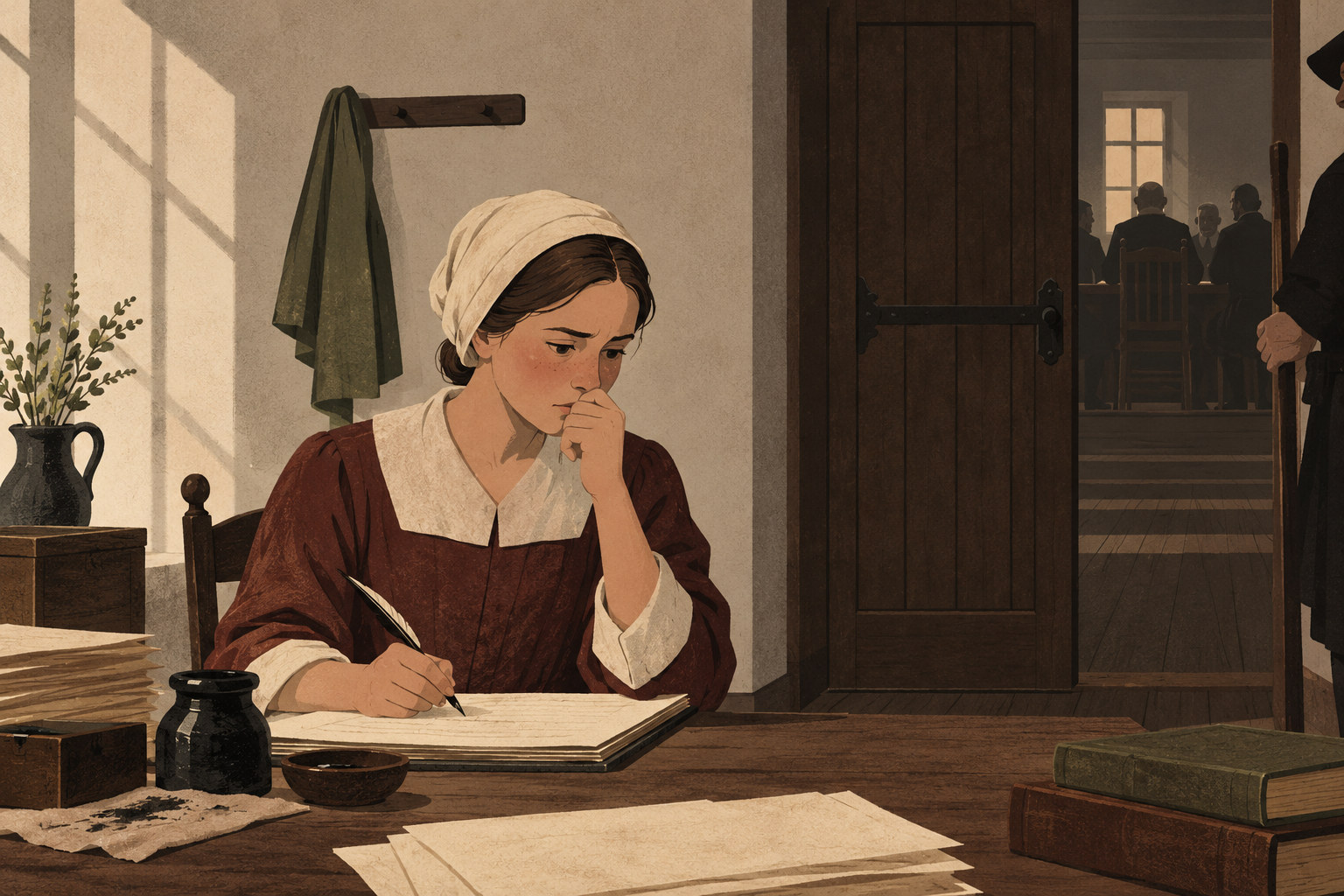
The public dossier
The Deposition Copyist is a proposed original witness whose job is to turn frightened, coerced, and contradictory speech into records that authorities can use.
At a glance
- Desire: protect a vulnerable household member without becoming the next subject of suspicion.
- Contradiction: the copyist believes exact transcription is a refuge from judgment, yet every choice of wording changes what survives.
- Pressure: a deposition contains a claim the speaker retracts but the record will not release.
- Historical basis: wholly invented; role and access require research.
Agency and interior logic
The copyist can preserve hesitation, normalize it away, disclose coercion, or hide behind procedure. Their agency must never become the power to “solve” the trials with magic. The central need is to recognize that a clean record can participate in violence.
Relationship pressure
- Tituba: the story must respect her status as an enslaved accused woman and the enormous pressure around her confession; the copyist cannot appropriate her experience.
- Bridget Bishop: her documented accusation, trial, and execution establish irreversible human stakes, not a fantasy-villain role.
- Household/court authority: offers protection only while the copyist preserves institutional usefulness.
Record and invention
The copyist and any anomalous record are inventions. Tituba and Bishop were historical people harmed within the 1692 crisis. Exact scenes involving them require primary-source and sensitivity review.
Development gate
Approve whether the lead’s precise role is historically plausible, define identity and household position, and create a knowledge/relationship schedule. Until then this remains a role record, not locked canon.
Connected records
These cards use the exact relationship IDs recorded for this dossier.
Worlds
The systems that shape this character.
Connected record
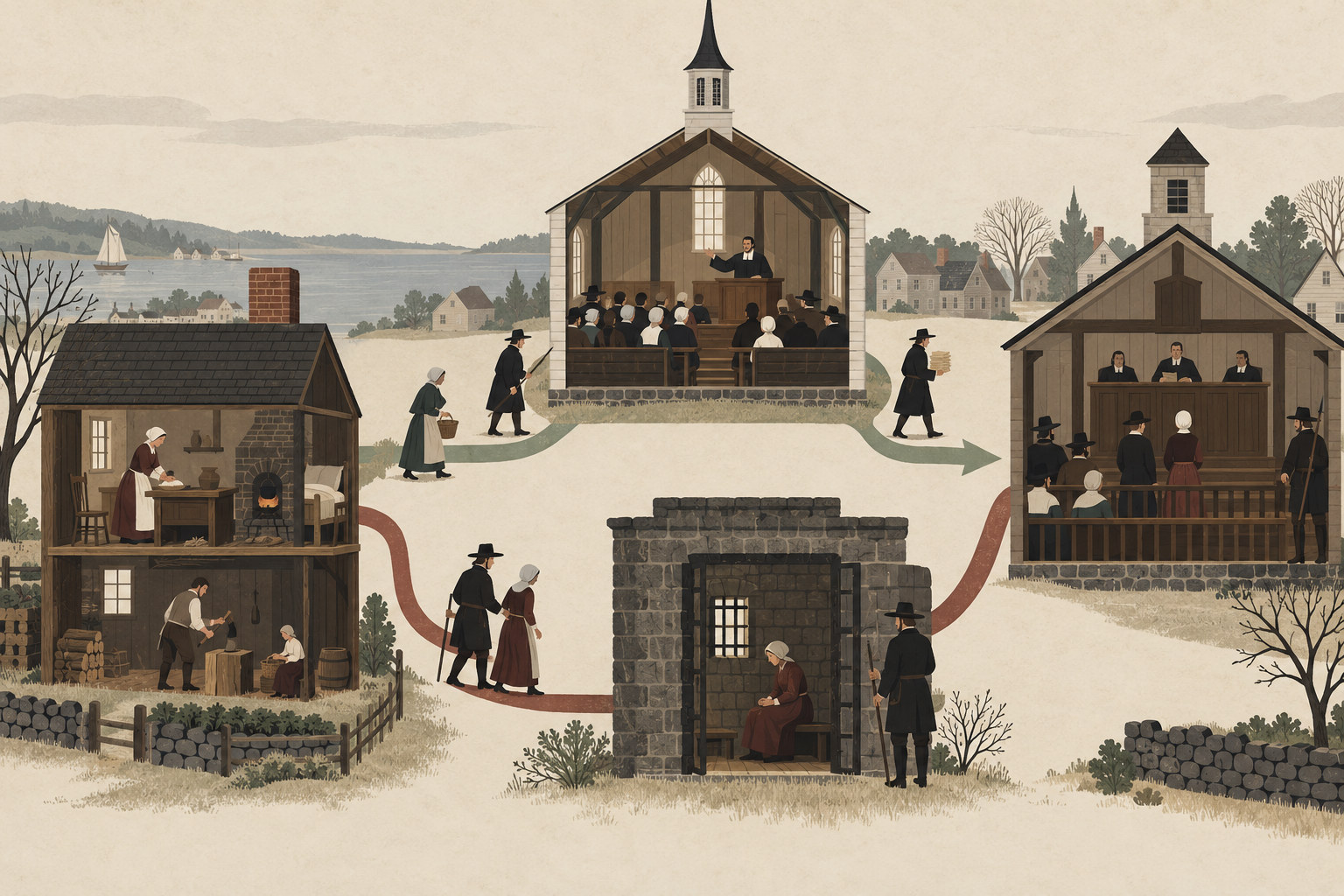
The Village That Makes Evidence
This world begins with documented social and judicial violence in 1692, not a battle between colourful covens. Its speculative element must never excuse accusers or imply that the executed were guilty of real witchcraft.
Open recordPlots
The causal routes that pressure this character.
Connected record
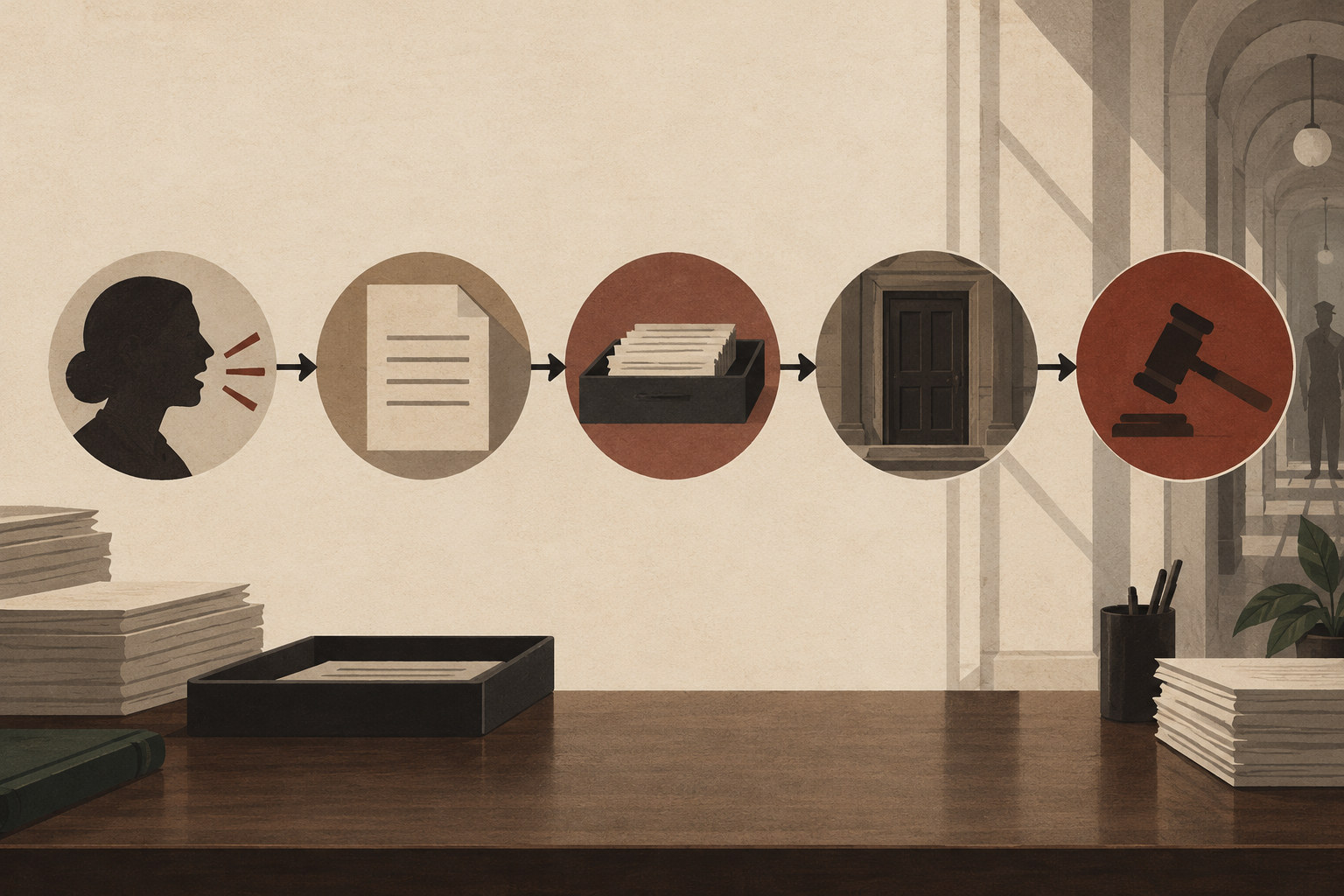
The Testimony That Cannot Be Cleansed
Because the copyist checks the original, they discover the speaker’s hesitation was omitted. Therefore preserving it becomes disobedience. Because a private correction would be easy to dismiss, the copyist seeks corroborating ordinary testimony. Therefore anot
Open recordStories
The stories this character belongs to.
Connected record
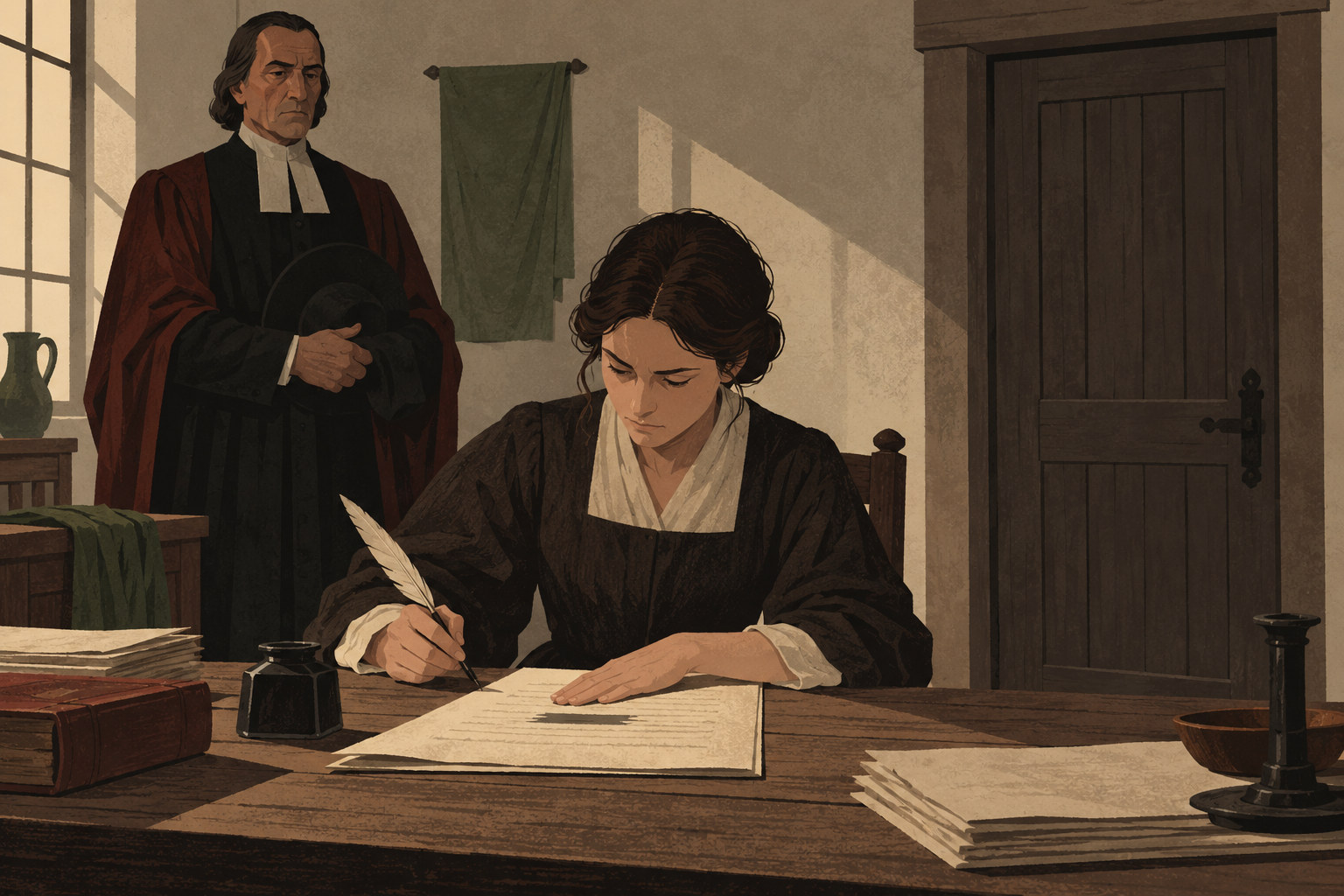
Salem’s Secret Circle
An invented copyist finds that a coerced statement returns after an official revision. Preserving the contradiction could expose how testimony is being shaped, but publicizing an impossible page could deepen the panic and endanger the people the copyist hopes
Open recordField notes
Craft and research notes connected to this record.
Connected record
How to Write Historical Figures as Characters Without Turning Them into Costumes
Build historical characters from documented constraints, competing motives, period-shaped assumptions, and clearly labelled invention.
Open record