
Character dossier
The Cartographer Without a Flag
A public character record: motivation, pressure, choice, and documented historical context.
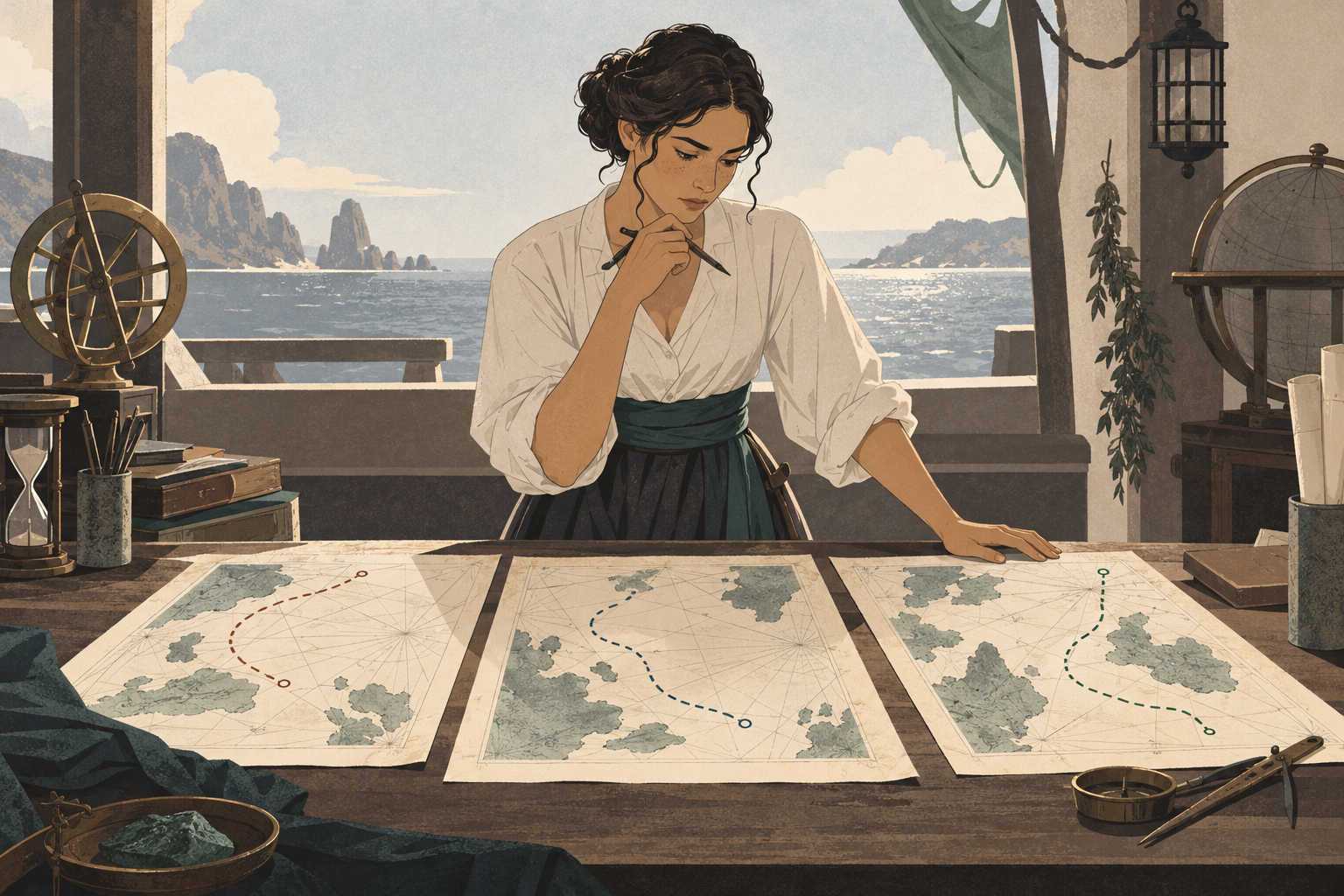
The public dossier
The Cartographer Without a Flag is a proposed original viewpoint for Pirate Queens of the Seven Seas: a mapmaker whose livelihood depends on giving merchants and captains certainty, even when the surviving record cannot supply it.
At a glance
- Role: connective witness and consequential chooser, not a replacement for Anne Bonny, Mary Read, or Zheng Yi Sao.
- Desire: finish a chart that will earn safe passage and professional independence.
- Contradiction: she distrusts heroic legends yet needs famous names to make her work valuable.
- Pressure: the map appears to preserve routes from different centuries as if they share one sea.
- Status: editorial proposal; name, origin, date, and shipboard position are not locked canon.
The pressure that reveals her
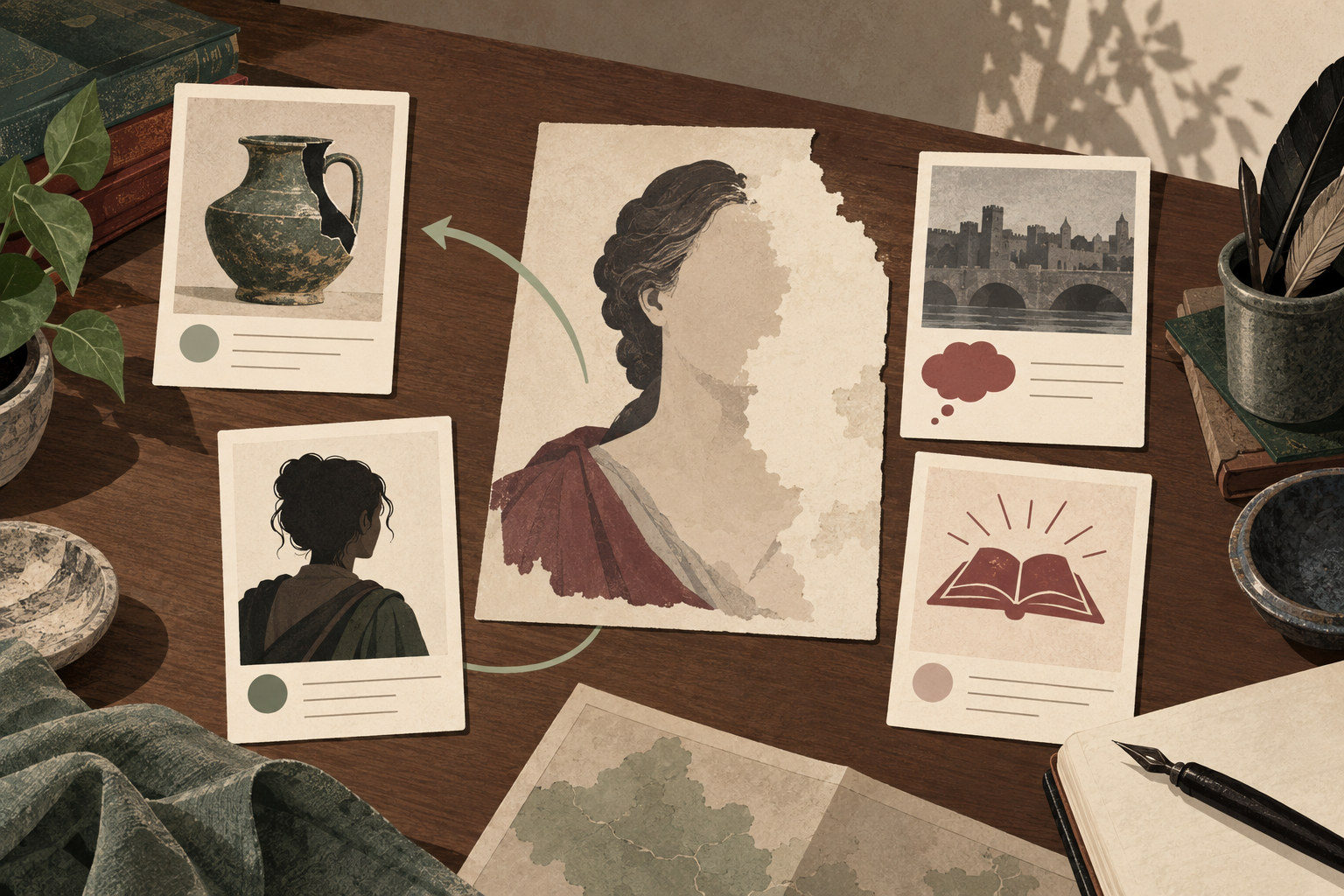
She begins by treating every gap as a technical problem. When conflicting routes cannot belong to one voyage, she must choose whether to correct the chart into historical coherence, sell the more profitable legend, or preserve contradictions that point to separate women’s lives. Her agency lies in attribution: the people she names become visible, while the people she compresses become myth.
Interior logic and relationships
Her working belief is that neutrality means drawing only what can be proved. The story tests the less comfortable truth that omissions also distribute power. Bonny and Read challenge the reliability of inherited narratives; Zheng Yi Sao challenges the Atlantic frame itself. A buyer or patron pressures the cartographer to turn distinct histories into a single marketable quest.
Arc and public boundary
The public arc moves from tidy synthesis toward accountable uncertainty. It does not state the protected final choice, which has not been approved. No romantic history, nationality, family history, or direct encounter with a historical figure is inherited from the lore-book inventory.
Record and invention
The cartographer is invented. Royal Museums Greenwich cautions that familiar Bonny and Read stories rely heavily on a doubtful 1724 account. Zheng Yi Sao belongs to the early nineteenth-century South China Sea, not their ordinary chronology. See the remaining-catalogue research package (not yet published).
Routes through the archive
Connect this record only to The Sea Between Recorded Lives, The Map That Demands a Name, the Story dossier, and the exact verified legacy Publication record. A production character sheet and canonical name remain required before story-bible status.
Connected records
These cards use the exact relationship IDs recorded for this dossier.
Worlds
The systems that shape this character.
Connected record
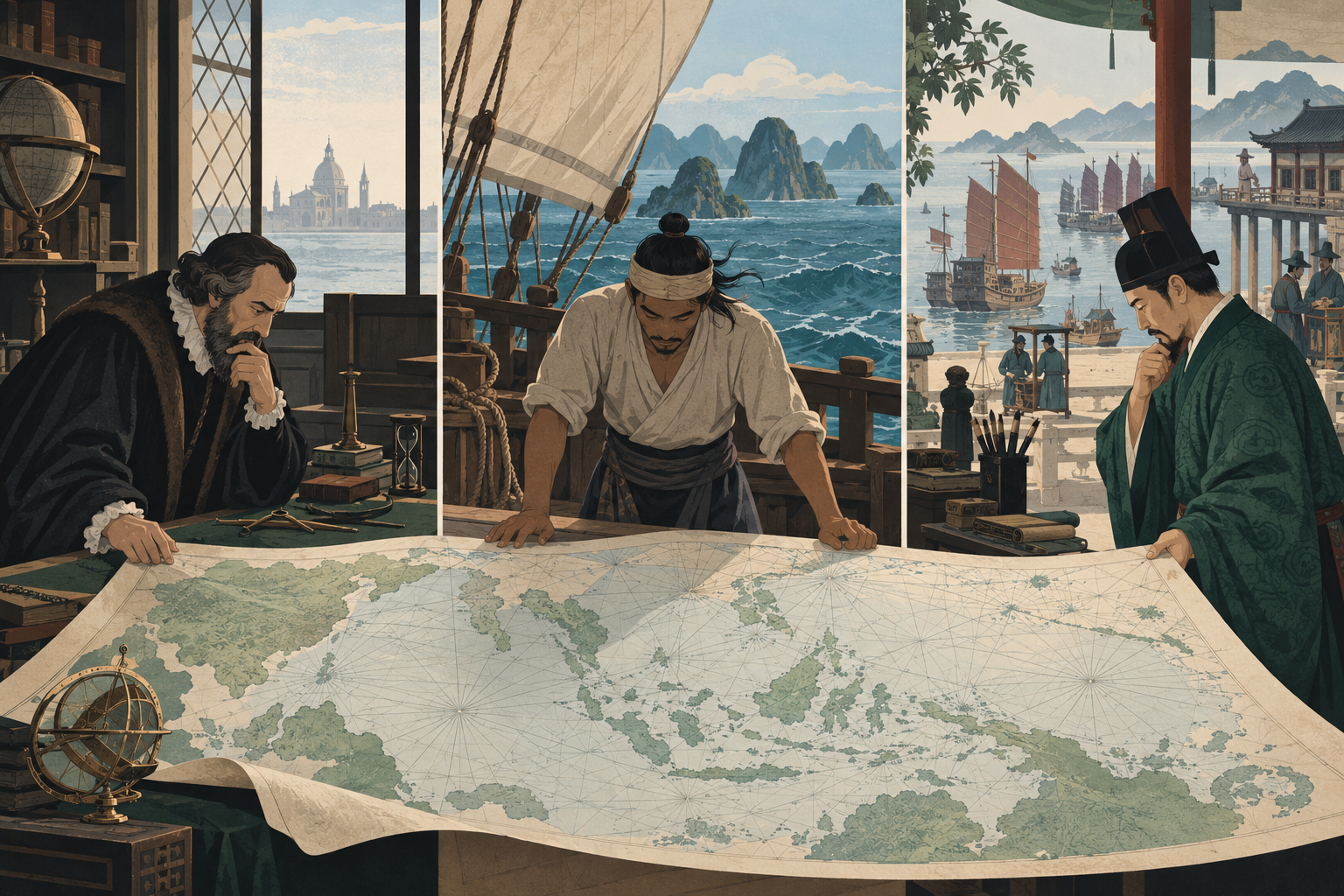
The Sea Between Recorded Lives
This proposed world refuses to collapse separate oceans and centuries into one generic pirate age. Its historical layers remain materially distinct; an invented chart is the only bridge between them.
Open recordPlots
The causal routes that pressure this character.
Connected record
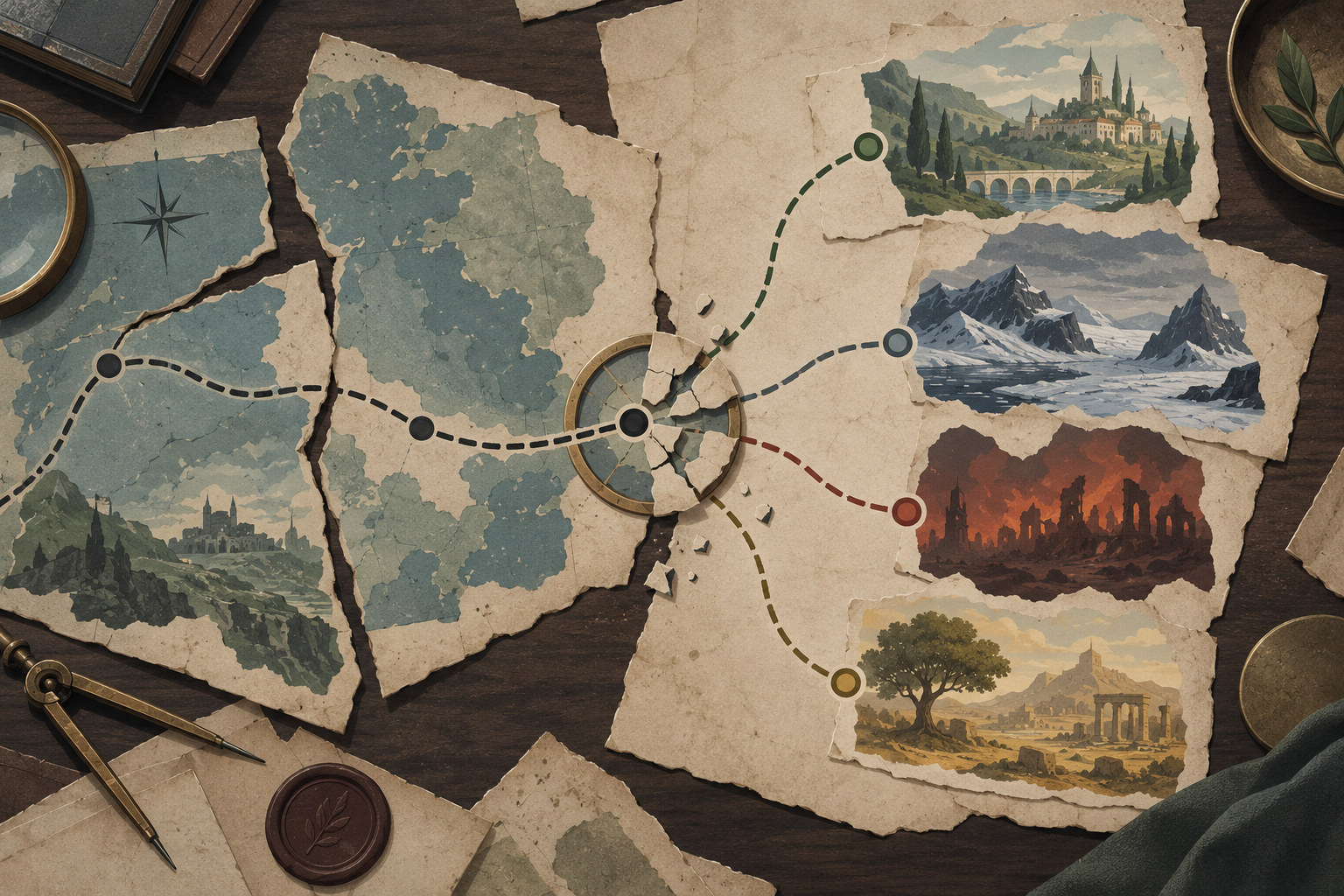
The Map That Demands a Name
Because the routes contradict one another, the cartographer tests inks, coastlines, and provenance. Therefore she learns that the anomaly is not merely a copying error. Because proving that result would expose how the chart was acquired, she seeks testimony th
Open recordStories
The stories this character belongs to.
Connected record
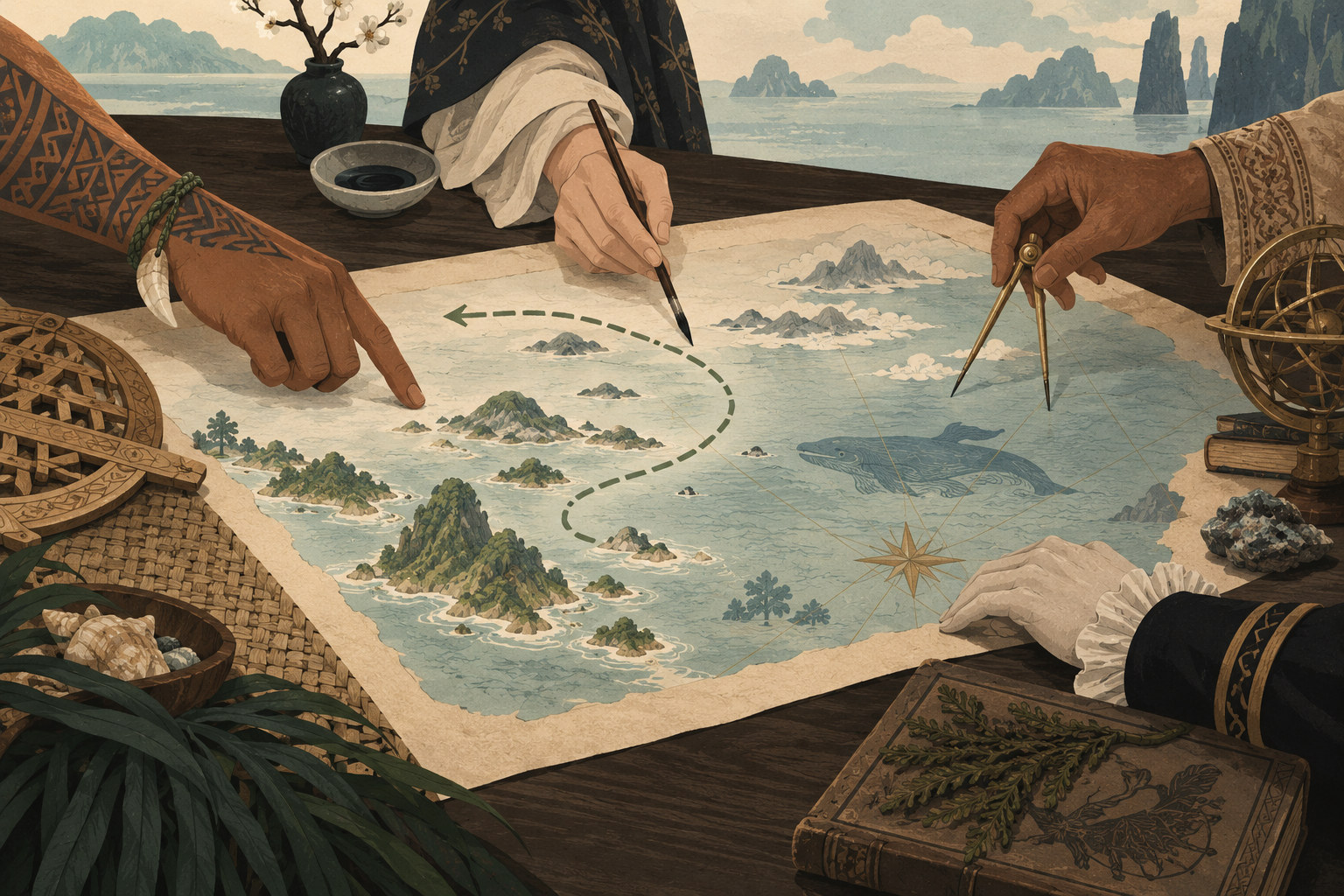
Pirate Queens of the Seven Seas
An original cartographer discovers that a chart attributed to one legendary pirate contains routes from separate women, oceans, and centuries. To make the record useful, she must decide whether to turn their differences into one saleable myth.
Open recordField notes
Craft and research notes connected to this record.
Connected record
How to Write Historical Figures as Characters Without Turning Them into Costumes
Build historical characters from documented constraints, competing motives, period-shaped assumptions, and clearly labelled invention.
Open record