
Character dossier
The Divided Assistant
A public character record: motivation, pressure, choice, and documented historical context.
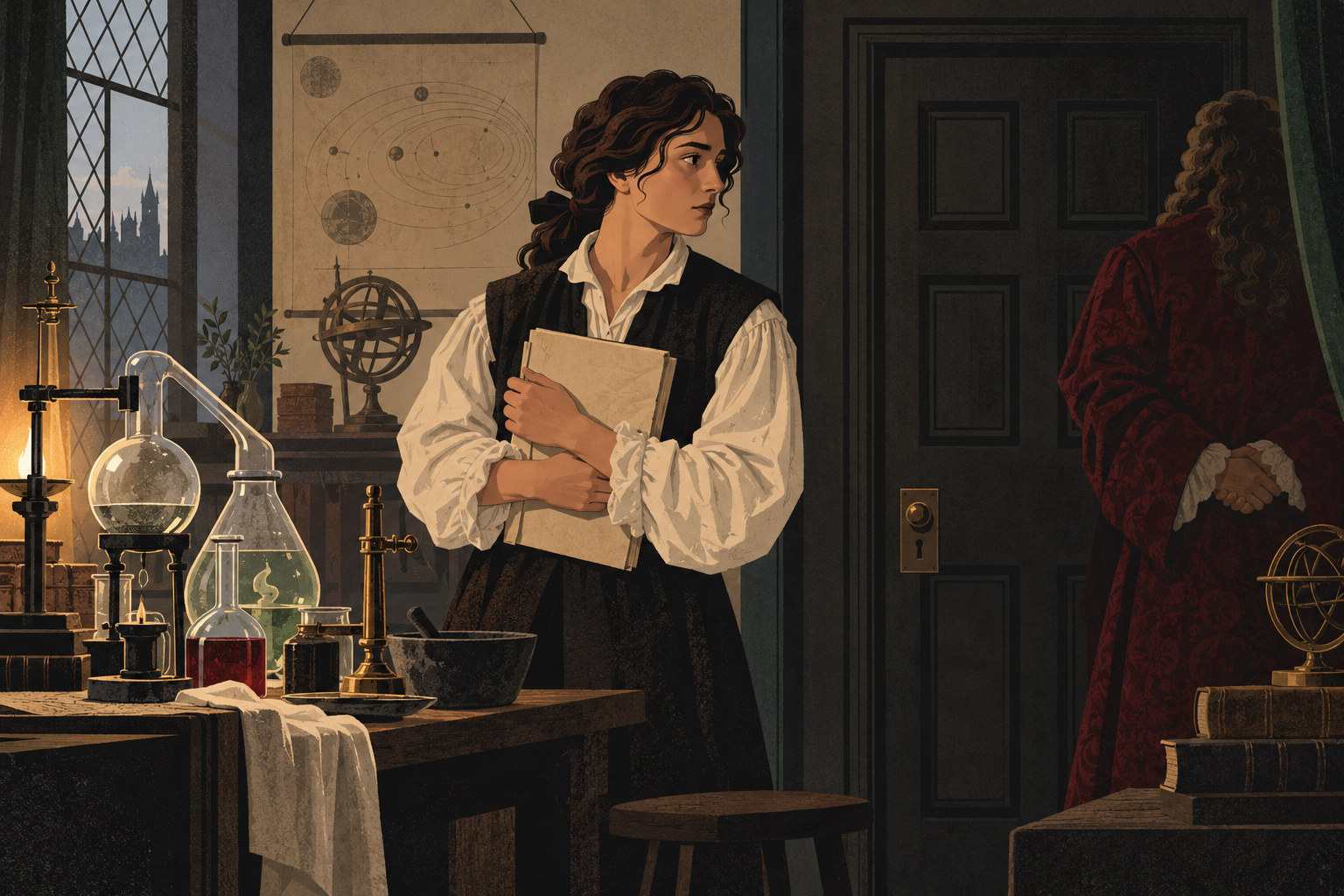
The public dossier
The Divided Assistant is a proposed original viewpoint whose work makes Newton’s experiments legible to other people while leaving the assistant exposed to obligations Newton can refuse.
At a glance
- Role: recorder, material worker, and contested witness.
- Desire: earn durable credit and security from exact experimental work.
- Motivation: anonymous competence protects a livelihood but cannot protect a result once patrons compete to own it.
- Contradiction: the assistant values reproducible proof while depending on secrecy for access.
- Status: invented role; name, gender, class, year, and institutional position remain open.
Pressure and agency
A successful experiment produces a result that can be repeated only with the assistant’s procedural notes. Newton wants time and control; a patron wants leverage; another investigator wants disclosure. The assistant changes the plot by deciding which record is complete enough to reproduce, not by discovering that Newton was secretly magical.
Interior logic
The character’s misbelief is that accurate notes are neutral. The need is to recognize that custody, attribution, and selective omission determine what proof can do. Under pressure, the assistant becomes more procedural and less willing to state an interpretation not directly observed.
Relationships under strain
- Newton: access and intellectual exhilaration in exchange for silence and unequal credit.
- Patron: material support in exchange for priority and political usefulness.
- Witness or rival: independent checking that may also expose the assistant.
Record and invention
Newton’s substantial private alchemical work is documented by the Newton Project. This assistant, the experiment, and every relationship above are editorial inventions. No exact laboratory access or institution is claimed until an exact date and source base are chosen.
Development gate
Approve a name and social position only after the story selects its year, location, procedure, and plausible access route. A character sheet and knowledge schedule are still required.
Connected records
These cards use the exact relationship IDs recorded for this dossier.
Worlds
The systems that shape this character.
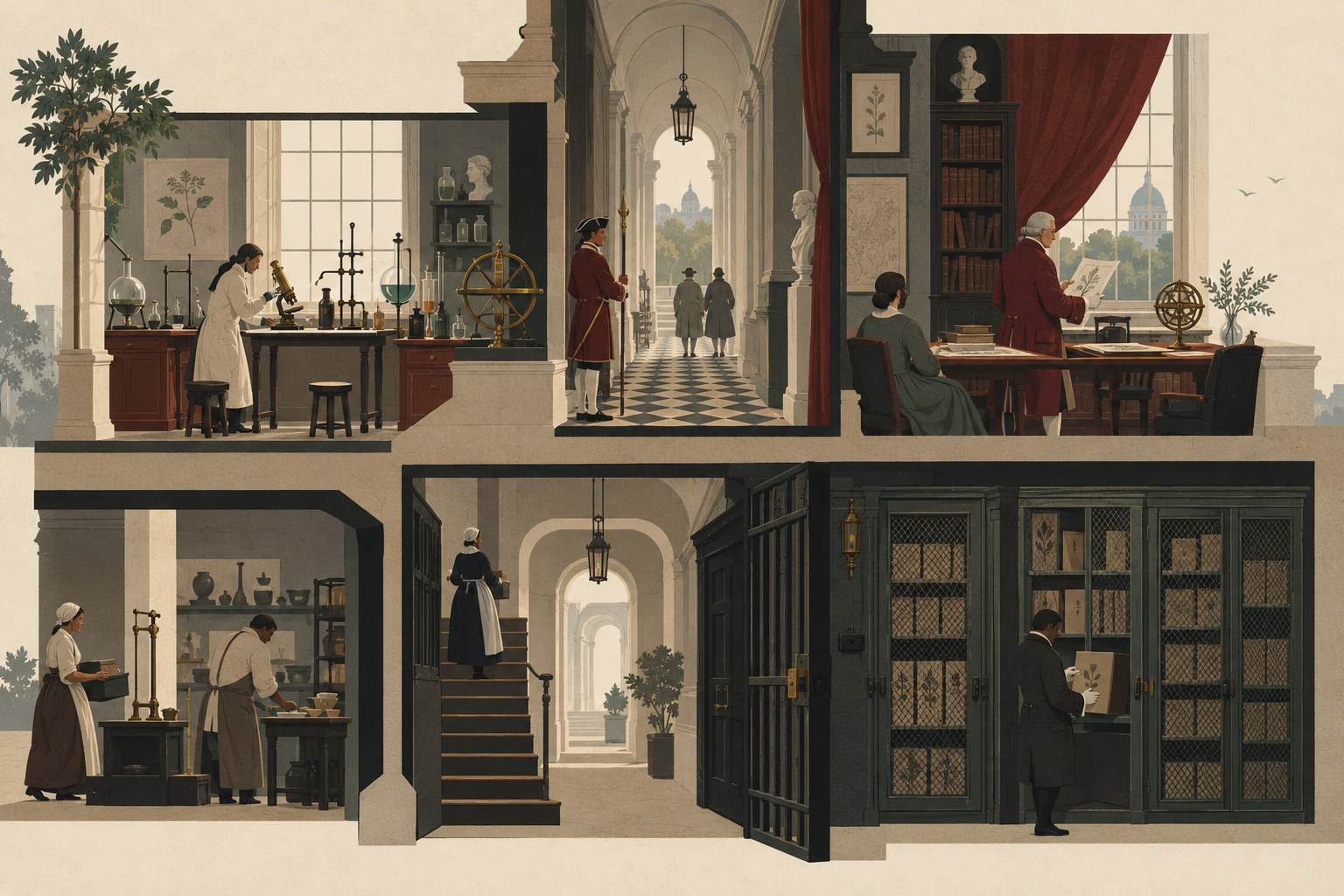
Connected record
The Sealed Republic of Proof
This proposed world is Restoration and early modern England organized around a practical question: who may witness, copy, repeat, finance, or suppress a result?
Open recordPlots
The causal routes that pressure this character.
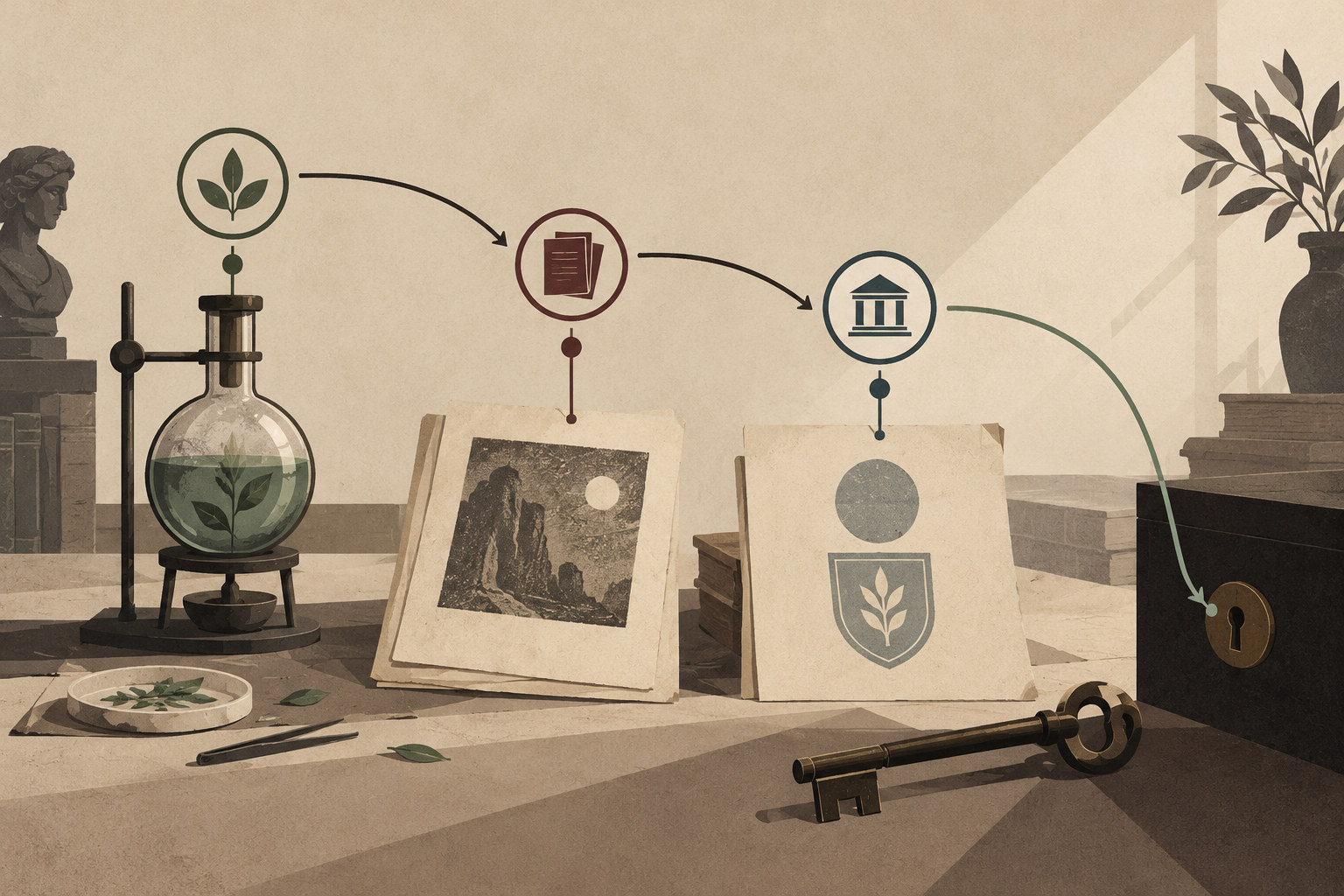
Connected record
The Experiment No Patron Can Own
Because the witness demands proof, the assistant prepares a repeatable record. Therefore the result can travel beyond the room. Because Newton restricts circulation, the patron treats the missing procedure as deliberate defiance. Therefore the assistant become
Open recordStories
The stories this character belongs to.
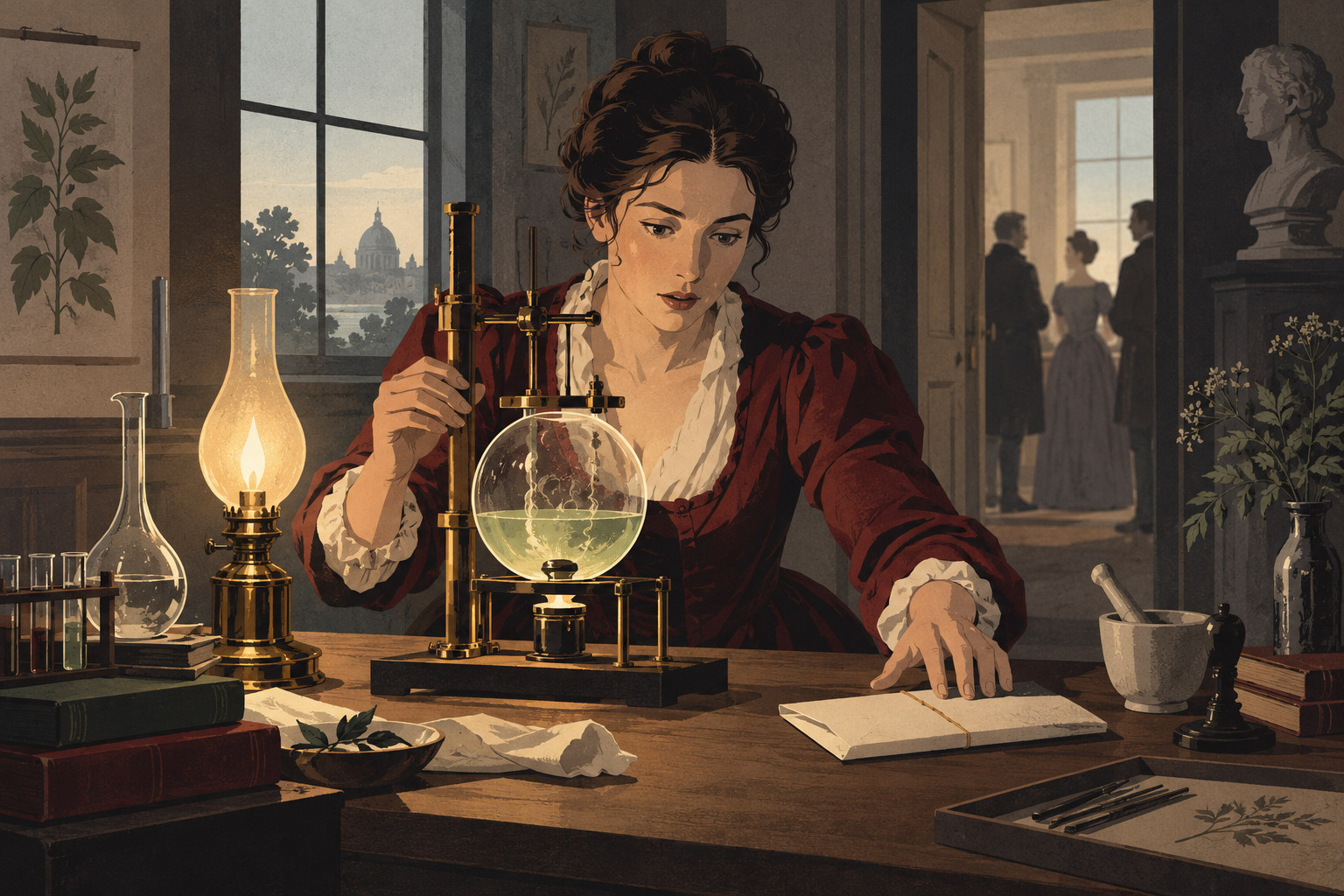
Connected record
The Secret Society of Newton’s Disciples
An original assistant helps Isaac Newton produce a repeatable result that patrons and investigators want to own. The assistant must decide what a truthful experimental record owes to the public when disclosure and secrecy can both cause harm.
Open recordField notes
Craft and research notes connected to this record.
Connected record
How to Write Historical Figures as Characters Without Turning Them into Costumes
Build historical characters from documented constraints, competing motives, period-shaped assumptions, and clearly labelled invention.
Open record